Physical Activity and Caregiving
Caregivers report less physical activity than before caregiving – yet physical activity becomes even more important as we age and cope with stress. Physical activity has benefits for caregivers, but […]


Caregivers report less physical activity than before caregiving – yet physical activity becomes even more important as we age and cope with stress. Physical activity has benefits for caregivers, but […]
This presentation will provide a basic overview of affordable and accessible products that will improve the comfort and safety of a home recovery. All products have been vetted by an […]
Recognizing the signs of dementia can lead to earlier interventions, better planning, and improved quality of life for individuals and their families. Join us and learn how recognize the signs […]
El duelo anticipado es el proceso por el que pasan algunas personas antes de que se dé el fallecimiento de un ser querido; se confirme su muerte o ante de […]
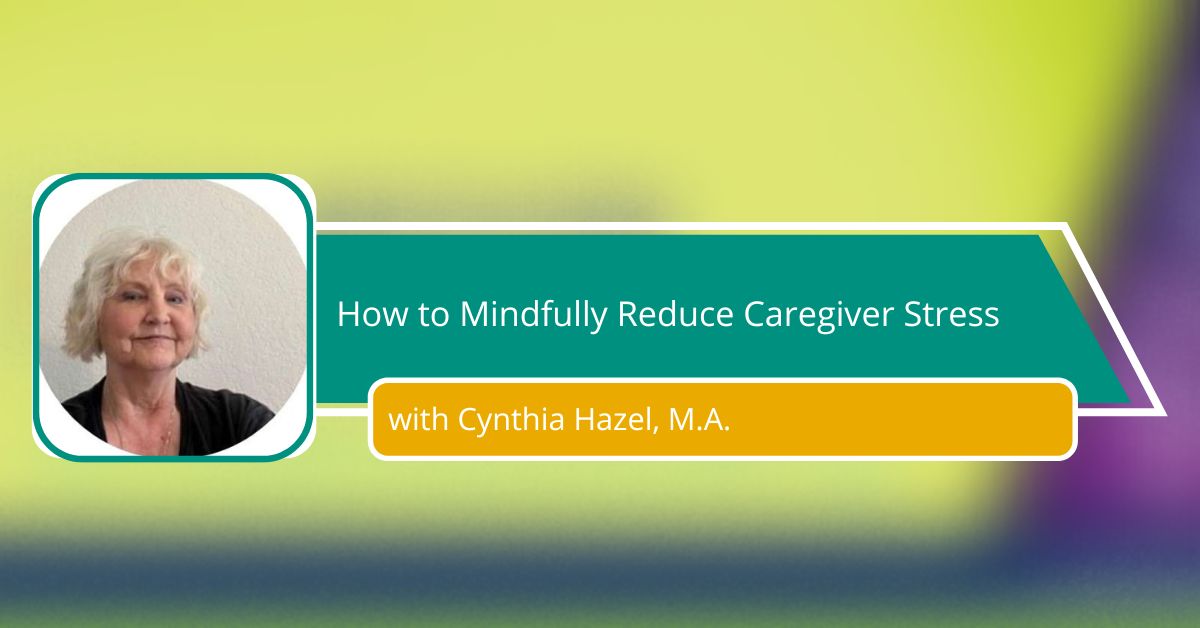
Caregivers deal with stress every day. Research shows that mindfulness, the practice of accepting what is without judgment can lower psychological stress. In this class, you will discover mindful ways […]

What kind of questions do you have about dementia? As a caregiver, how do you survive the journey? Dr. Tam Cummings will cover quick stress relief tips and answer any […]
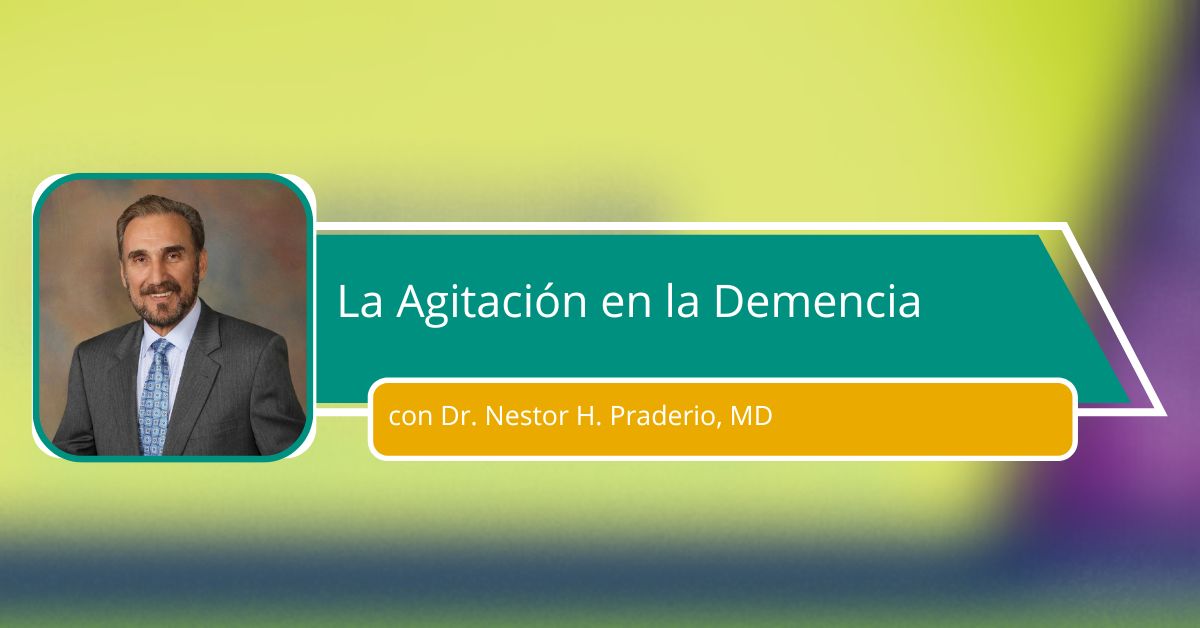
La agitación y los comportamientos asociados en la demencia presentan desafíos clínicos difíciles y agotadores para los cuidadores. Nestor H. Praderio, MD presentará el espectro de comportamientos y el deterioro […]
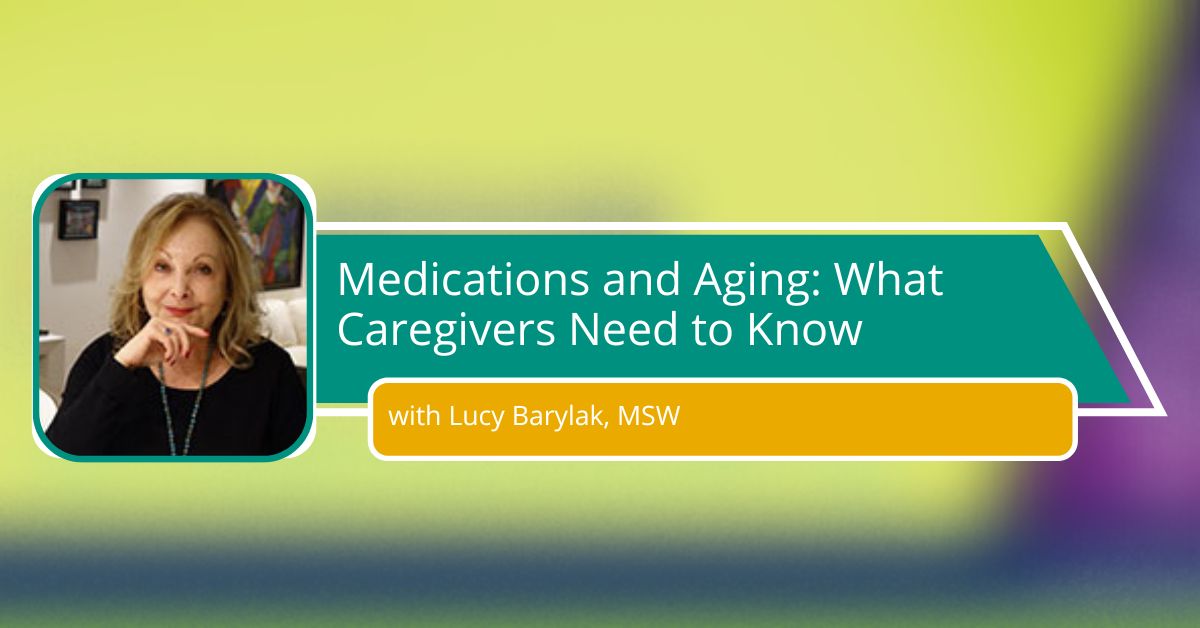
Join Dear Lucy for a discussion on how medications affect older adults—especially those living with dementia or disabilities. Learn how to recognize potential risks such as increased confusion, disorientation, and […]
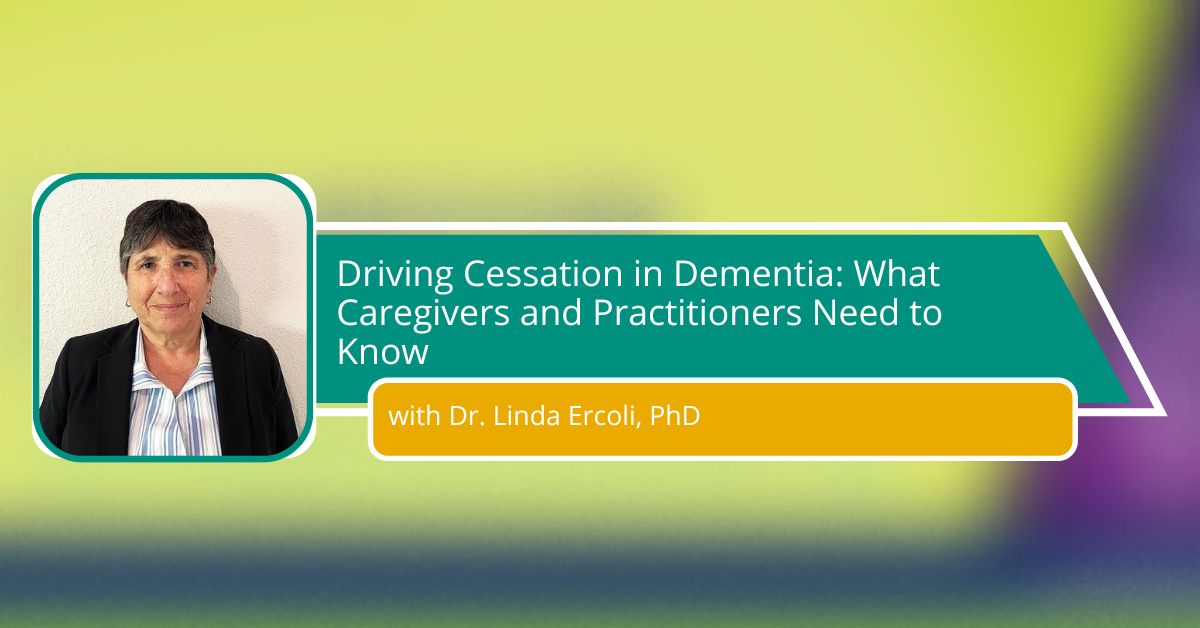
Dr. Ercoli will discuss signs of dangerous driving in people with dementia, strategies for facilitating driver cessation, and laws pertaining to reporting dangerous drivers.
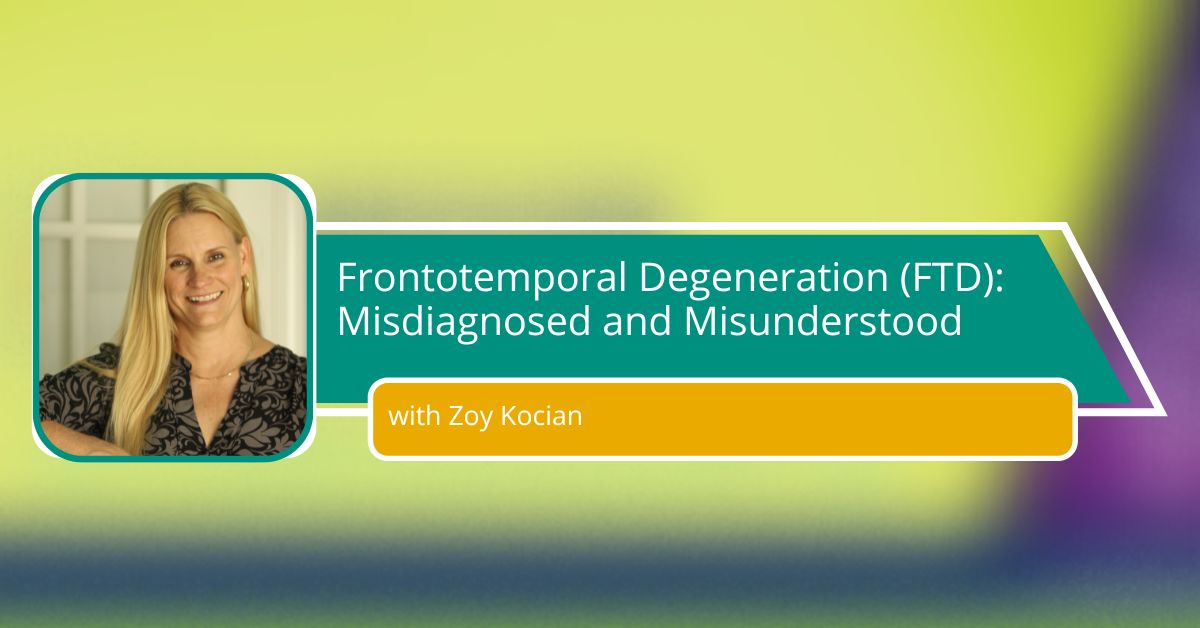
Join Zoy Kocian from the Association for Frontotemporal Degeneration for an informative discussion on this often misdiagnosed and misunderstood disease. Learn how Frontotemporal Dementia (FTD) differs from other types of dementia, explore its subtypes and symptoms, and discover the supports and services available to help families navigate the challenges of FTD.