Caregiver Teleconnection

Explore our remote caregiver support programming
View Past Events
  • La diferencia entre cuidados paliativos y el hospicio

    La doctora Liliana Oakes compartirá las definiciones y diferencias entre los servicios de hospicio y cuidados paliativos (cuidados de apoyo). Utilizará historias reales para demostrar estos conceptos y equipar y […]

  • Why Family Caregivers Should Say “No”

    Family caregivers often feel uncomfortable setting limits and saying “no” to the family members they are caring for because they don’t want to feel guilty. But saying “no” can be good for caregivers and care receivers. Psychologist and author Barry Jacobs will lead a conversation about how to say “no” to improve the well-being of […]

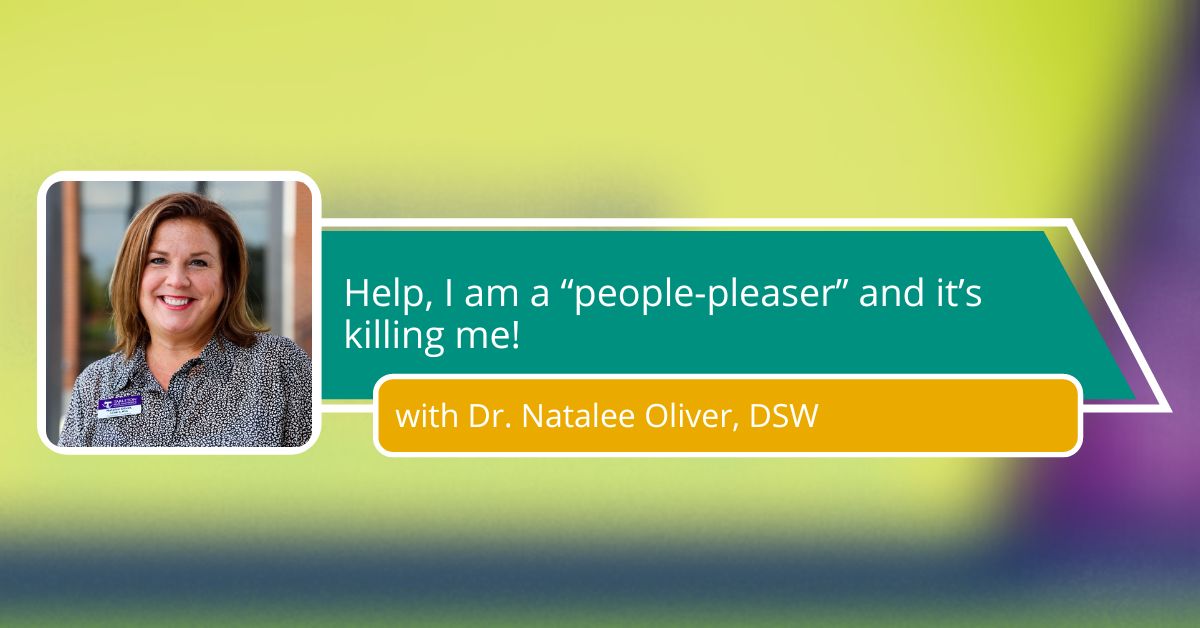
  • Help, I am a “people-pleaser” and it’s killing me!

    How many times have you said yes to a request when deep down you either did not have time to do it or did not want to do it? How many times have you put others' needs before your own? Successful caregiving involves balancing your loved one's needs and other family members' needs with your […]

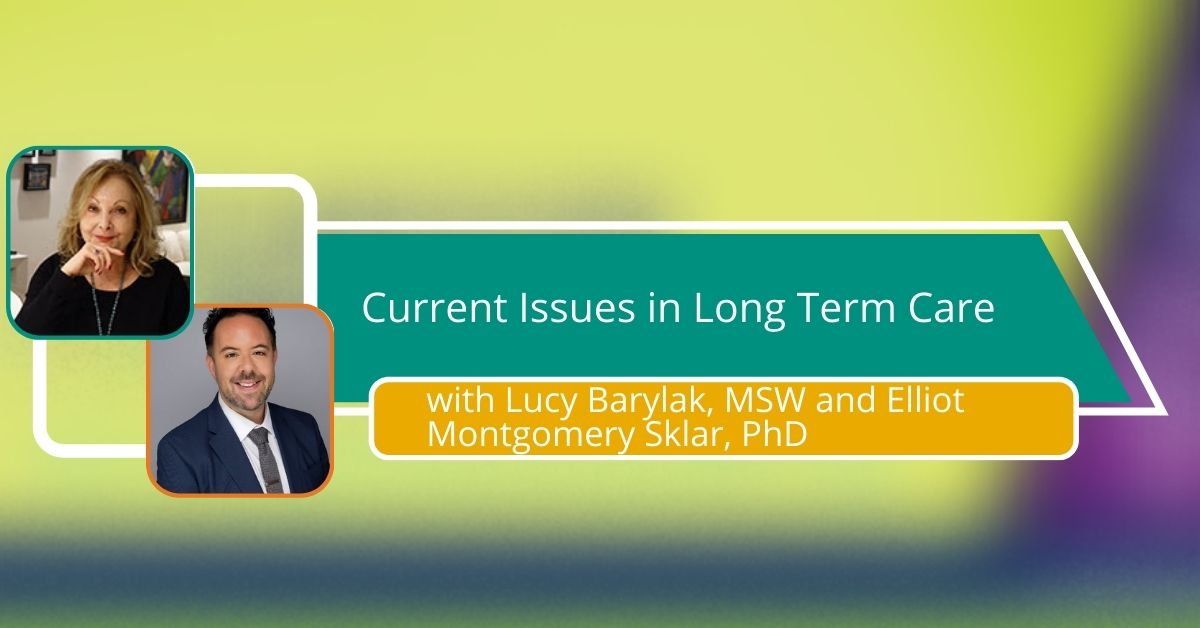
  • Current Issues in Long Term Care

    This session addresses current hot topics in long term care, and data that caregivers should know about concern long term care facilities. We’ll discuss caregiver and staff concerns.  

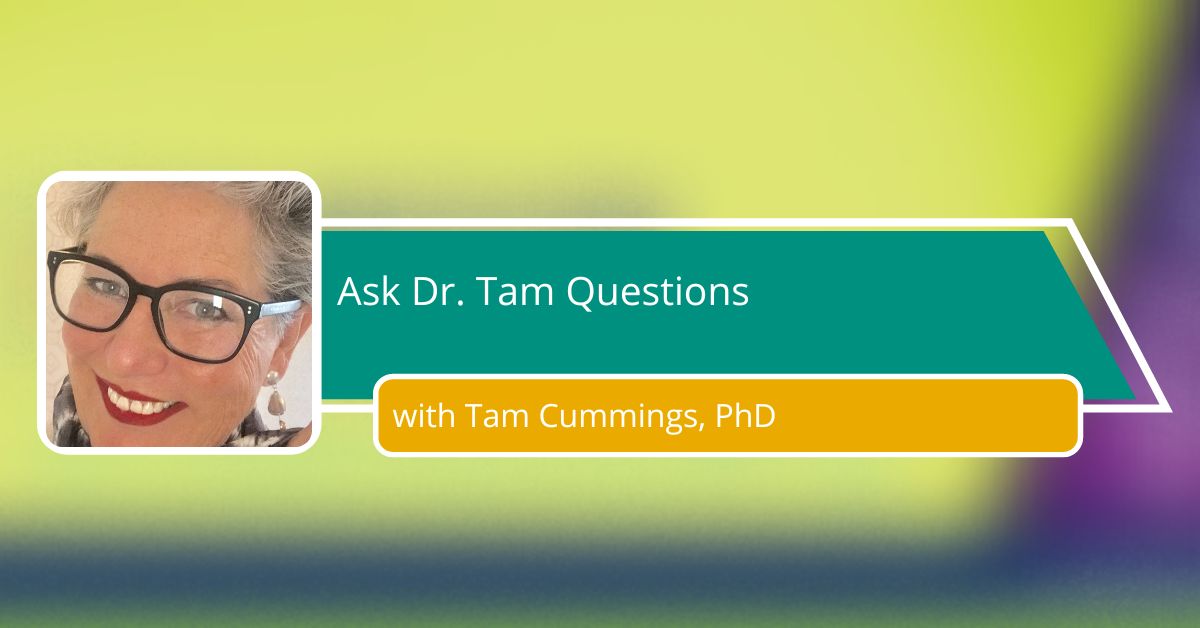
  • Ask Dr. Tam Questions

    What kind of questions do you have about dementia? As a caregiver, how do you survive the journey? Dr. Tam Cummings will cover quick stress relief tips and answer any questions you have about dementia.  

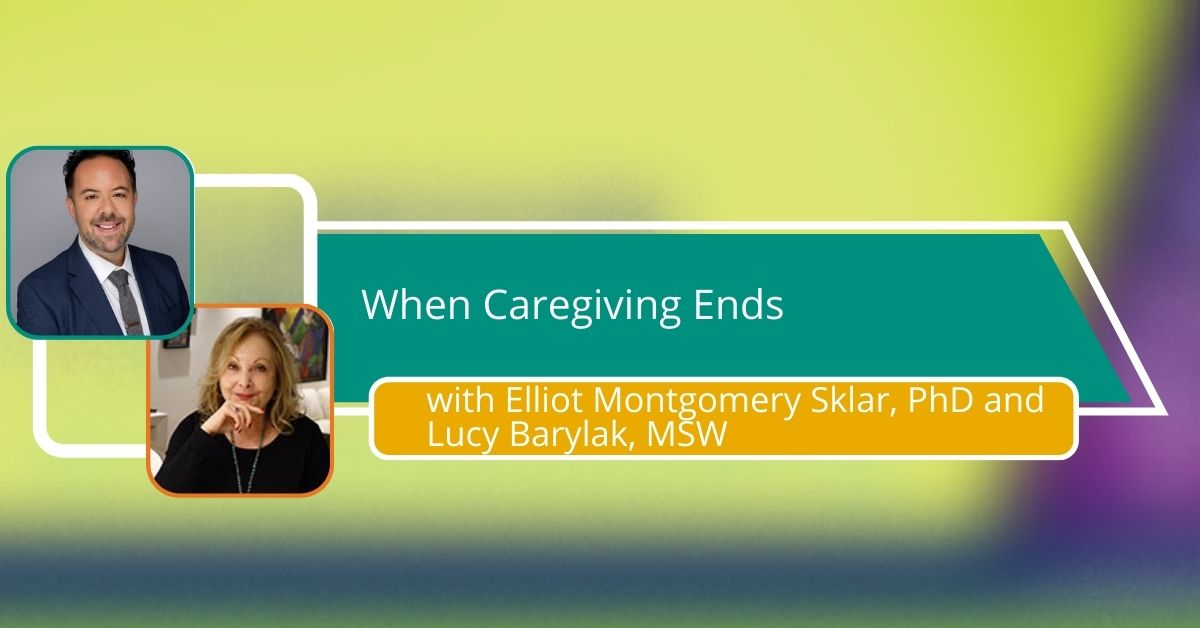
  • When Caregiving Ends

    Caregiving is a journey that changes when a care recipient’s health declines. This session focuses on dealing with anticipatory grief, caregiver isolation, how to replace time spent on caregiving tasks and moving on. At the end of this session, Elliot and Lucy will stay on the line and offer personal support.  

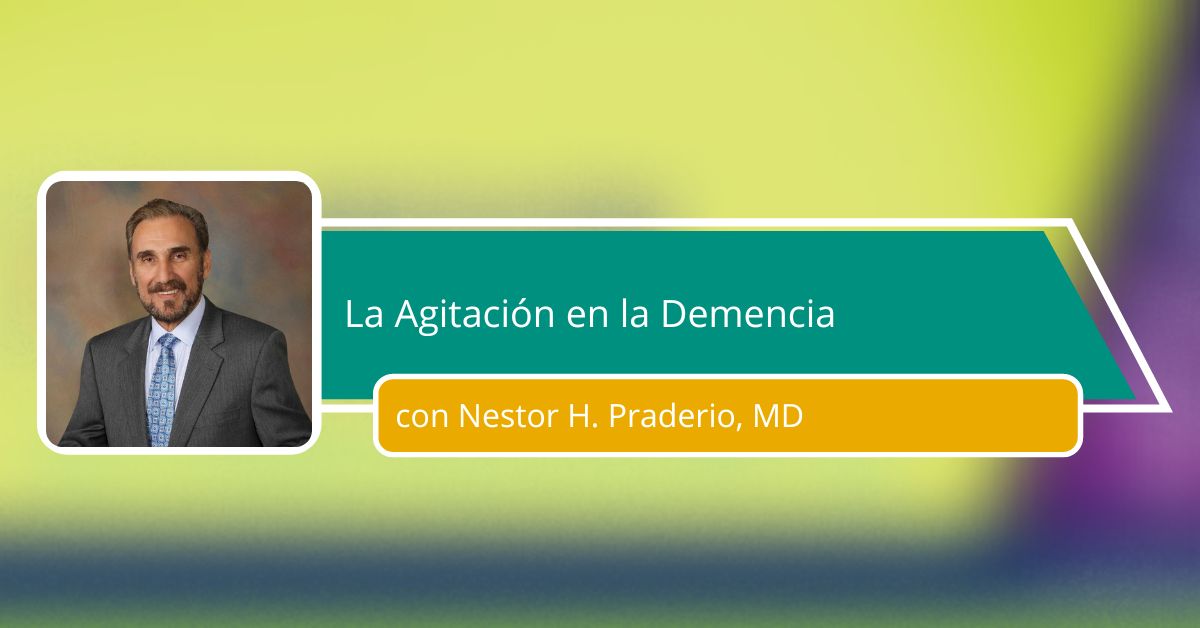
  • La Agitación en la Demencia

    La agitación y los comportamientos asociados en la demencia presentan desafíos clínicos difíciles y agotadores para los cuidadores. Nestor H. Praderio, MD presentará el espectro de comportamientos y el deterioro […]

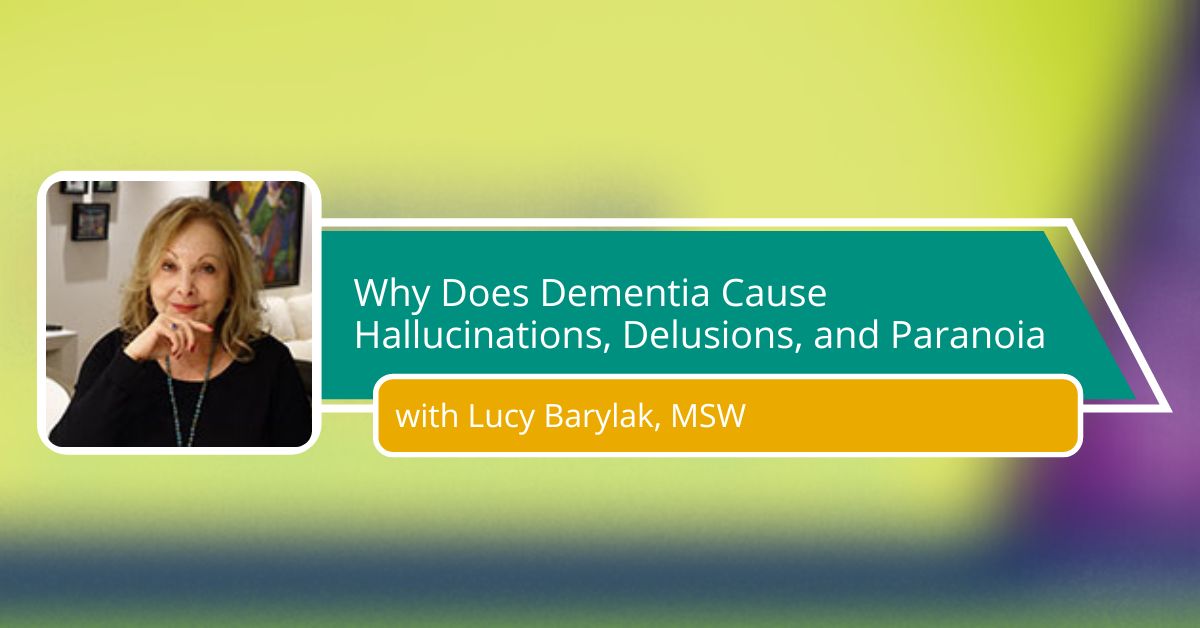
  • Why Does Dementia Cause Hallucinations, Delusions, and Paranoia

    Join Lucy as she discusses what the symptoms of hallucinations, delusions and paranoia are and what causes the behaviors that can happen during these episodes. She will share tips on what to do when it happens. At the end of this session Lucy will stay on the line and offer personal support.  

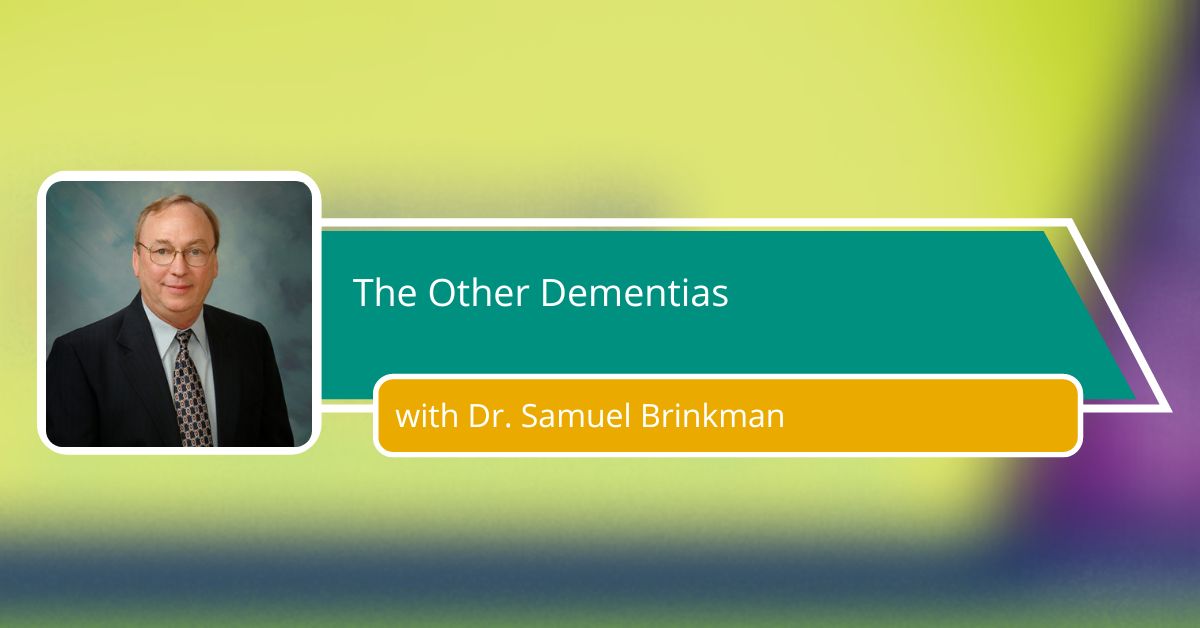
  • The Other Dementias

    Alzheimer’s disease is the most common type of dementia, but other types of dementia each have a unique pattern of impairment and clinical course. This discussion will cover the most common of these other types of dementia. **Sponsored by the North Central Texas Caregiver Teleconnection**