Caregiver Teleconnection

Explore our remote caregiver support programming
View Past Events
  • Tools for Managing the Transition from the Hospital or Skilled Rehab Facility to Home

    This presentation will provide a basic overview of affordable and accessible products that will improve the comfort and safety of a home recovery. All products have been vetted by an Occupational Therapist of 13 years and tested in a variety of recoveries and home settings.  **Sponsored by the North Central Texas Caregiver Teleconnection program**  
  • Early Detection and Diagnosis of Dementia

    Recognizing the signs of dementia can lead to earlier interventions, better planning, and improved quality of life for individuals and their families. Join us and learn how recognize the signs and symptoms of dementia, distinguish it from normal aging, and understand various types and causes of memory loss. It emphasizes the importance of early and […]

  • ¿Qué es el duelo anticipado?

    El duelo anticipado es el proceso por el que pasan algunas personas antes de que se dé el fallecimiento de un ser querido; se confirme su muerte o ante de una pérdida de algo. Enfrentarse a la realidad de que pronto llegará el momento es una de las aceptaciones más complejas para el cuidador. El […]

  • How to Mindfully Reduce Caregiver Stress

    Caregivers deal with stress every day. Research shows that mindfulness, the practice of accepting what is without judgment can lower psychological stress. In this class, you will discover mindful ways that are designed to help you let go, make healthy decisions, and easily reduce acquired levels of stress.  

  • Ask Dr. Tam Questions

    What kind of questions do you have about dementia? As a caregiver, how do you survive the journey? Dr. Tam Cummings will cover quick stress relief tips and answer any questions you have about dementia. ** Sponsored by VITAS Healthcare**    

  • La Agitación en la Demencia

    La agitación y los comportamientos asociados en la demencia presentan desafíos clínicos difíciles y agotadores para los cuidadores. Nestor H. Praderio, MD presentará el espectro de comportamientos y el deterioro progresivo de la función cognitiva de la agitación en la demencia. También explicará el diagnóstico diferencial de la agitación en la demencia y presentará las […]

  • Medications and Aging: What Caregivers Need to Know

    Join Dear Lucy for a discussion on how medications affect older adults—especially those living with dementia or disabilities. Learn how to recognize potential risks such as increased confusion, disorientation, and falls, and discover practical strategies to manage medications safely. This session is designed to empower caregivers with the knowledge they need to make informed decisions […]

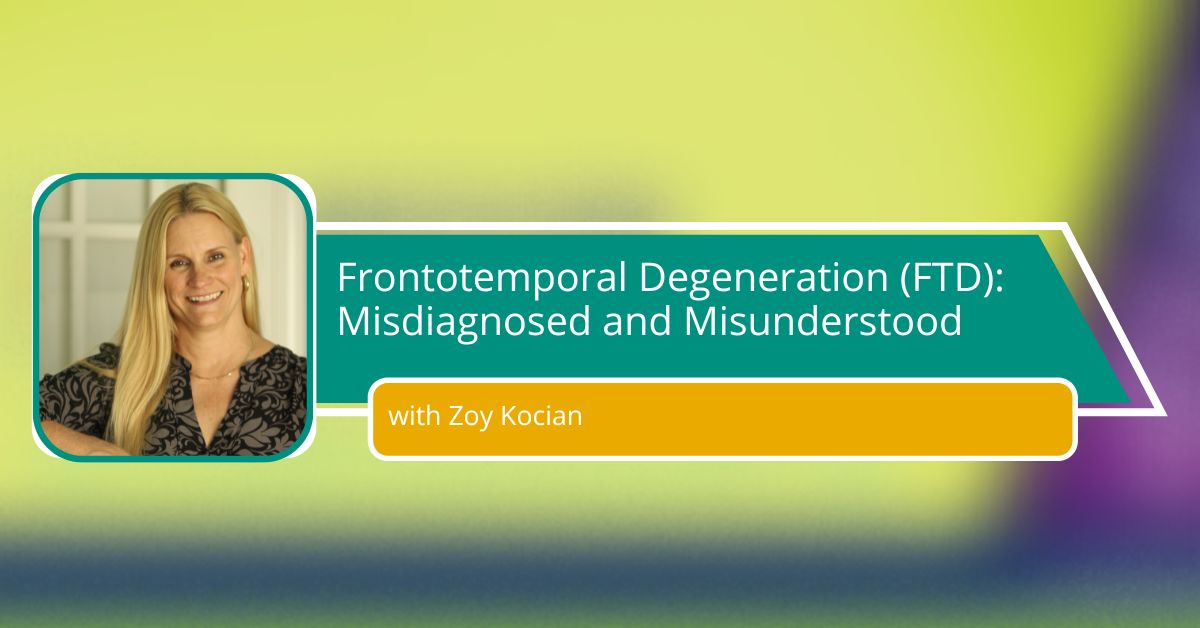
  • Frontotemporal Degeneration (FTD): Misdiagnosed and Misunderstood

    Join Zoy Kocian from the Association for Frontotemporal Degeneration for an informative discussion on this often misdiagnosed and misunderstood disease. Learn how Frontotemporal Dementia (FTD) differs from other types of dementia, explore its subtypes and symptoms, and discover the supports and services available to help families navigate the challenges of FTD.  

  • Healthy Living for Your Brain and Body

    For centuries, we’ve known that the health of the brain and the body are connected. But now, science is able to provide insights into how to make lifestyle choices that […]

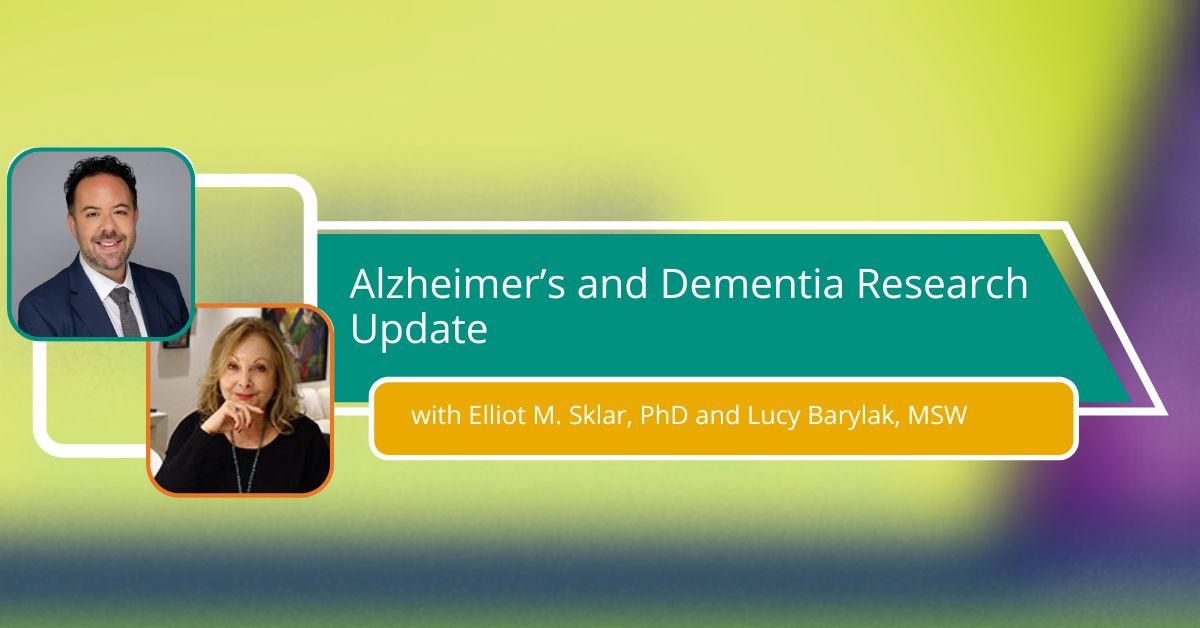
  • Alzheimer’s and Dementia Research Update

    New treatments. New ideas on the root causes of these illnesses. How to enroll in clinical trials. This session will explore all the newest research and information in a way that is easy to understand for caregivers.  

  • Managing Physical and Emotional Expressions

    Caring for someone with dementia often means navigating unexpected behaviors like agitation, repetition, or aggression. These behavioral expressions are common—and often misunderstood—but with the right tools, they can be managed with compassion and confidence. In this program, you’ll learn why these behaviors occur and how to effectively prevent, redirect, and respond to them. This session […]

  • Shifting Perceptions, Steady Hearts: A Compassionate Look at Lewy Body Dementia

    Lewy body dementia (LBD) is often one of the least recognized and most misunderstood types of dementia—frequently misdiagnosed or mistaken for other neurological or psychiatric conditions. Individuals living with LBD face complex symptoms including hallucinations, movement changes, sleep disturbances, and fluctuating cognition that demand more nuanced care approaches – and their care partners are right […]